
Why Editorial Doesn't Equal Wearable
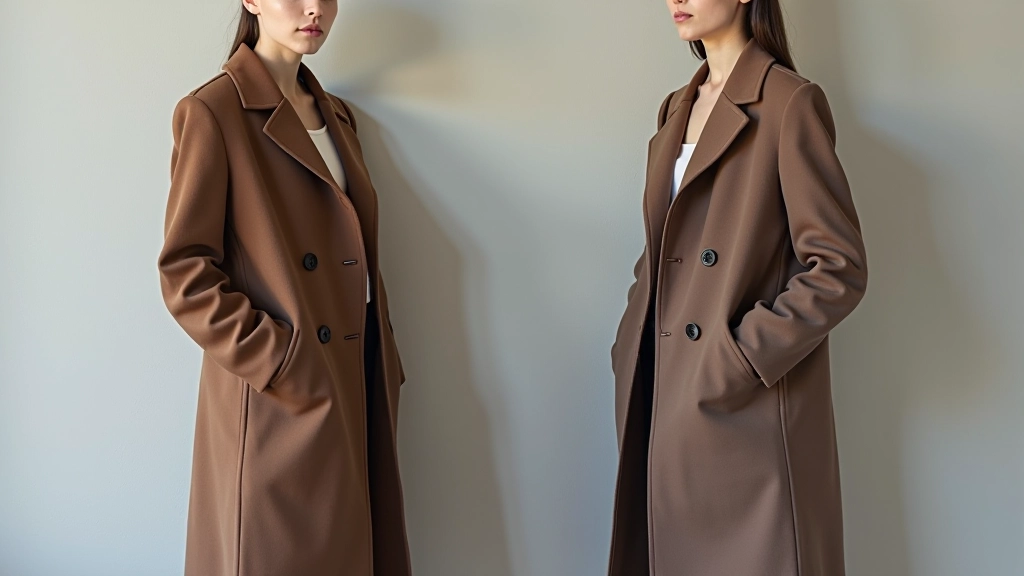
There's a massive gap between what you see on a runway or in Vogue and what actually works in your daily life. Editorial styling is designed for a very specific purpose—to tell a story, to make a statement, to push creative boundaries. The lighting is perfect. The model's proportions are exceptional. The budget is essentially unlimited.
Your everyday life is different. You're navigating traffic, sitting in meetings, grabbing coffee, dealing with weather. You probably have a budget. You want to feel comfortable and confident, not like you're performing for a photoshoot. This isn't about editorial styling being "better"—it's just built for different circumstances.
The good news? The principles that make editorial looks work—proportion, colour harmony, focal points, storytelling through clothes—those absolutely translate. You just need to adapt them. It's not about copying the outfit. It's about understanding why the outfit works and rebuilding it for your life.
The Translation Process: Three Steps
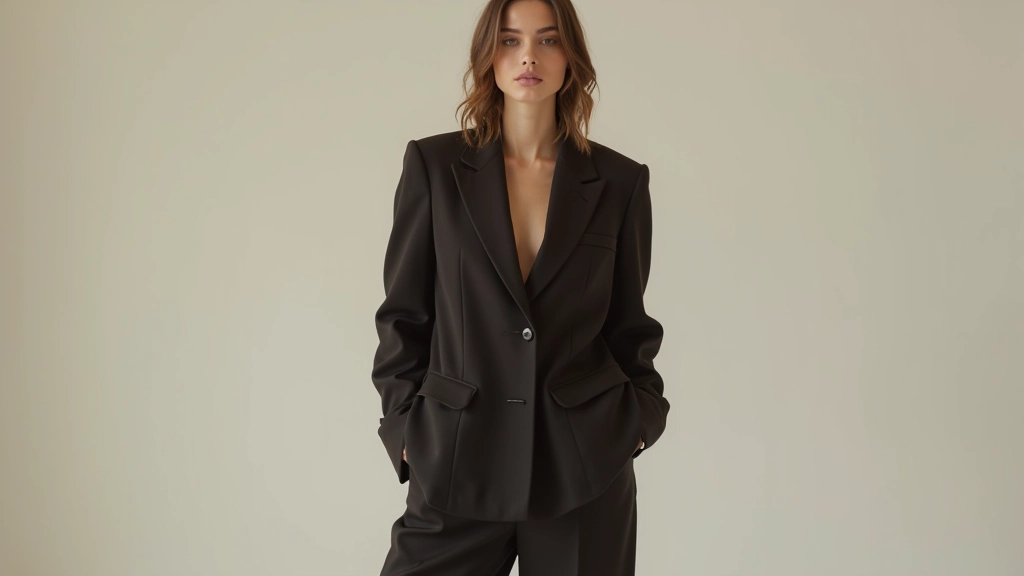
Think of editorial looks like recipes from a Michelin restaurant. You can't just make them at home in your kitchen, but you can understand the techniques and create something equally delicious for your actual life.
Identify the Core Principle
What's actually making this look work? Is it the colour blocking? The proportion contrast—maybe a voluminous top with fitted bottoms? The texture mix? The silhouette? The focal point? Ignore everything else and focus on the one or two elements that create impact. Most editorial looks have a single strong idea at their heart.
Strip Away the Extreme
Editorial often pushes things to their limit. An editorial might show a coat that's two sizes oversized with extreme slouch. Your version might be just one size oversized for that same silhouette effect—still dramatic, still intentional, still wearable. A catwalk shoe might be impractical. A similar style in a more comfortable heel works the same visual magic.
Substitute for Your Reality
The editorial uses a $4,000 designer piece? Find a similar style at a price point that works for you. The outfit requires dry cleaning after one wear? Choose fabrics that are practical for your lifestyle. The silhouette doesn't suit your body type? Modify it while keeping the core principle intact. You're creating an adapted version, not a replica.
Colour Harmony: The Principle That Always Translates
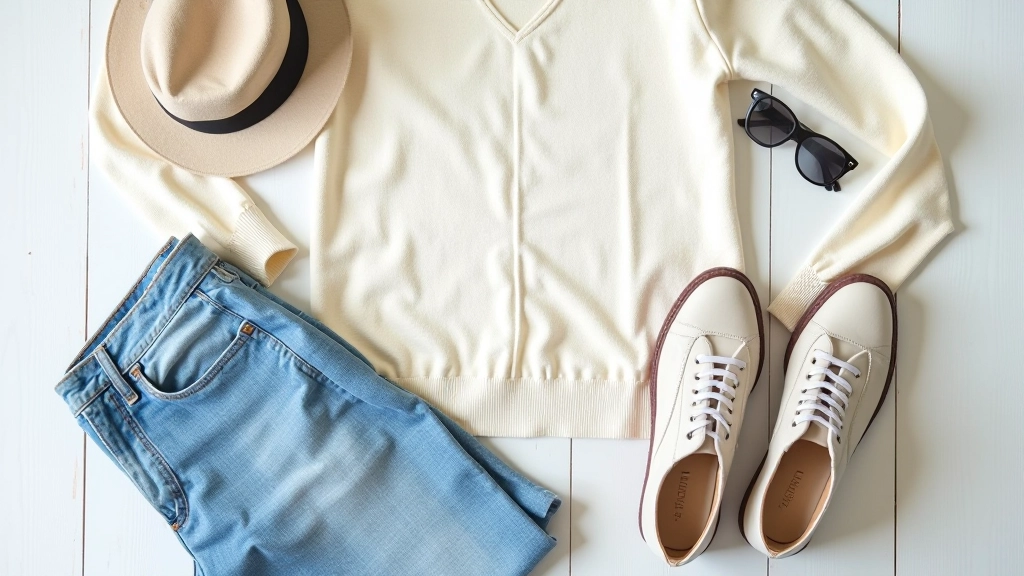
One editorial principle that works brilliantly in everyday life is colour harmony. Whether editorial or everyday, the colour story of an outfit makes the biggest visual impact.
An editorial might pair a sage green oversized blazer with cream wide-leg trousers and a cognac leather belt—a monochromatic-adjacent palette with warm undertones throughout. You can translate this exactly: find similar colours in pieces that fit your lifestyle. The principle—warm undertones, tonal harmony, minimal contrast—remains the same whether you're wearing luxury or high street.
Don't get caught thinking you need the exact designer brand to capture the essence. You need the same colour temperature and the same proportional balance. A €45 cream linen shirt creates the same visual effect as a €450 designer one when it's paired with the right colours and silhouettes.
The colour harmony principle also solves one of the biggest everyday challenges: creating outfits that look intentional. When you understand that editorial uses cohesive colour stories—whether monochromatic, complementary, or analogous—you can apply that same thinking to your wardrobe. You'll automatically make better combinations because you're working with colour relationships instead of just grabbing pieces.
Proportion and Focal Points: Making It Work for You
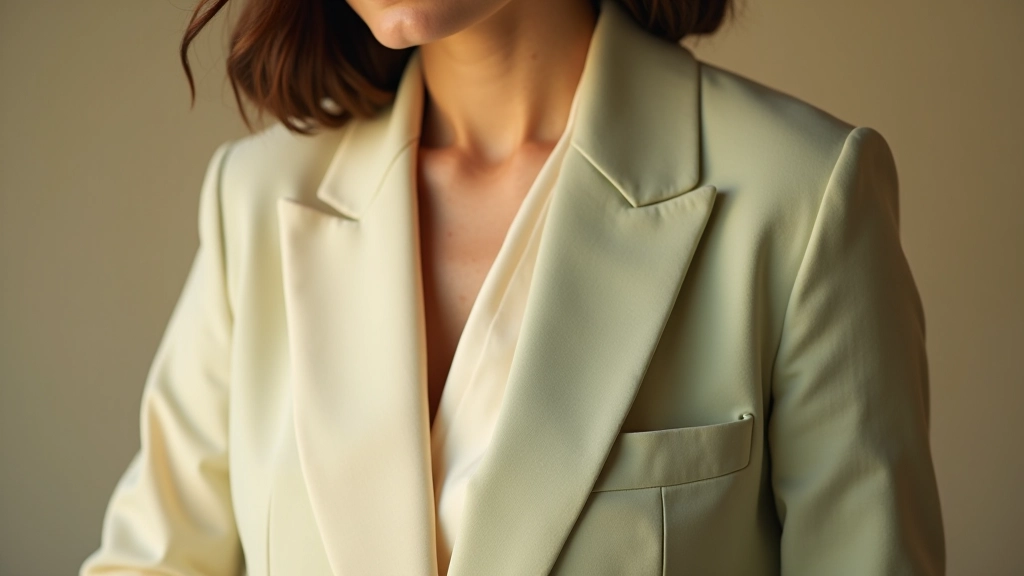
Editorial styling uses proportion strategically. A fitted top with wide-leg trousers creates a silhouette. An oversized coat with slim bottoms creates a different shape. These aren't arbitrary—they're deliberate focal point management.
Here's how you translate this: understand your own proportions and what creates visual balance for your body. If an editorial shows a volume-on-top, slim-on-bottom look and it makes the model look elongated, that doesn't mean it'll work the same way for you. It might, or you might need to adjust—maybe volume in the skirt instead, or a different silhouette entirely.
The principle isn't "copy this proportion." The principle is "use proportion contrast to create a focal point and visual interest." Once you understand that, you can apply it to any body type, any budget, any lifestyle. You're not limited to what works on a 5'11" model in a photoshoot.
Editorial also teaches you to think about what's your focal point. Is it a statement bag? Interesting shoes? A bold colour? A textured fabric? Once you identify what draws the eye, you can build an outfit around it in your everyday life. The focal point strategy translates perfectly.

Building Your Personal Translation Practice
The real skill isn't copying editorials. It's learning to see what makes them work, then adapting those principles for your actual life. This is what separates stylish people from people who just follow trends.
Save What Speaks to You
Create a folder of editorial looks that actually appeal to you. Not aspirational "someday" looks, but outfits that make you think "I want to feel like that." Over time, you'll see patterns. You'll notice you're drawn to certain colour palettes, silhouettes, or styling approaches.
Ask Why, Not How
Don't ask "How can I afford this?" Ask "Why does this work?" What's the colour story? What's the proportion ratio? What's drawing your eye? Once you answer those questions, finding your version becomes much easier because you know what you're actually looking for.
Test and Refine
Your first translation attempt might not feel perfect. That's normal. Wear it. Notice what feels off. Is it the proportion? The colour harmony? The proportion? Refine it. The second attempt will be closer. By the third try, you'll have cracked the code for that particular look principle.
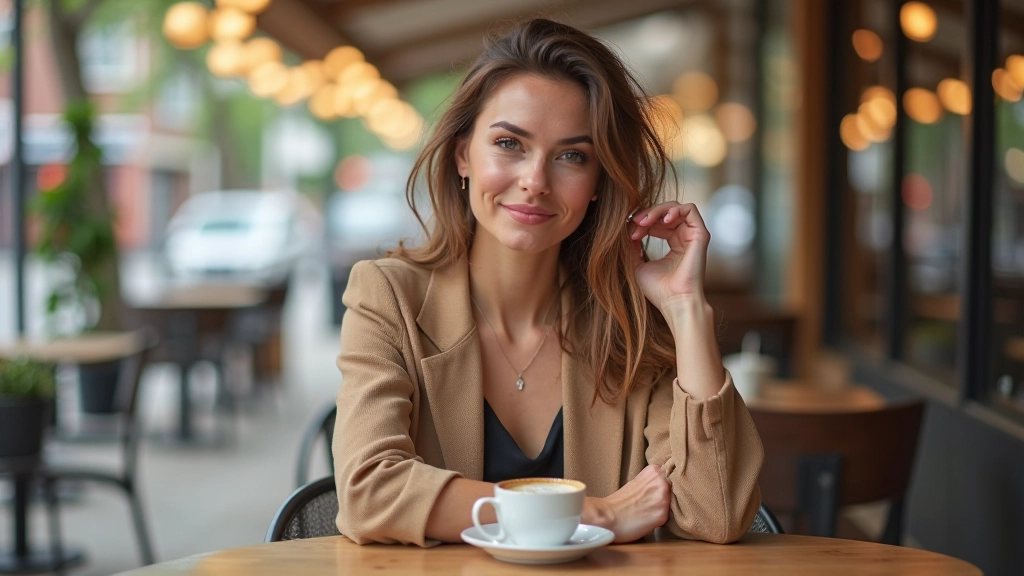
Your Translation, Your Style
The gap between editorial and everyday isn't something to be frustrated by. It's actually where personal style lives. Because when you learn to translate rather than copy, you're developing your own visual language. You're understanding the principles deeply enough to make them yours.
Editorial styling teaches you the rules. Your everyday life teaches you how to break them intelligently. The two together? That's where real style happens. You're not trying to look like a magazine. You're trying to look like the best version of yourself—which is way more interesting anyway.
Start with one editorial look that appeals to you. Identify the core principle. Translate it. Wear it. Notice how it feels. Then do it again with the next look that catches your eye. This is how you build a personal style that's informed by editorial knowledge but grounded in your actual life. That's the translation worth making.
Information Disclosure
This article is provided for educational and informational purposes only. The styling principles, techniques, and suggestions discussed here are based on general fashion analysis and styling practices. Individual style choices, budget constraints, lifestyle needs, and body types vary significantly. What works in editorial photography may not work identically for every person. We encourage you to adapt all suggestions to your personal circumstances, preferences, and needs. Always consider your own comfort, practicality, and individual style when translating editorial looks into everyday wear. Fashion choices are deeply personal, and there's no single "correct" way to interpret or adapt any look.