
Why does one outfit feel polished while another looks thrown together? It's not about having expensive pieces or following trends blindly. The difference lies in understanding three fundamental elements: proportion, fit, and focal points. These structural details are what separate intentional styling from guesswork—and they're absolutely learnable.
Understanding Proportion in Silhouettes
Proportion isn't about being a specific size or shape. It's about the relationship between different parts of your outfit. A cropped top paired with high-waisted trousers creates visual balance because the proportions work together—your torso looks intentional rather than accidental.
Think about oversized blazers. They're not flattering on everyone the same way because it depends on how they interact with what you're wearing underneath. An oversized blazer over fitted trousers creates one silhouette. The same blazer over loose pants creates something entirely different. Neither is wrong—but understanding this relationship means you can choose intentionally.
Here's what to actually pay attention to: the length of your tops relative to your bottoms, the volume of your sleeves compared to your body, the weight of fabric in different areas. When a cropped sweater hits at your natural waist and your trousers sit at the same point, there's visual clarity. Your eye follows the line without confusion.
The Real Difference Between Fit and Drape
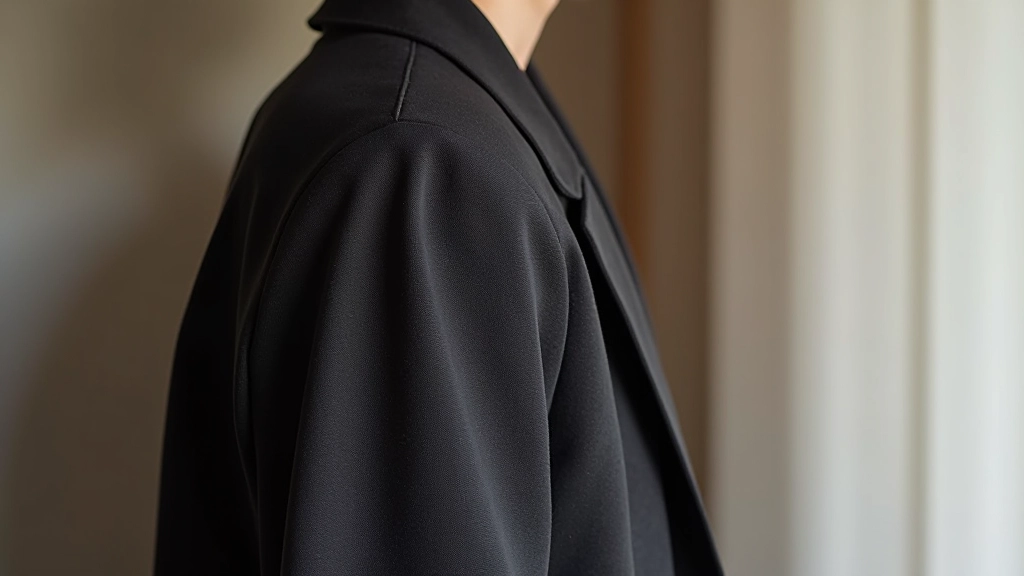
Most people conflate fit with how tight or loose something is. That's incomplete. Real fit is about how a garment sits on your specific body structure. A perfectly fitted jacket doesn't pull across the shoulders. The sleeve seam sits at the edge of your shoulder—not an inch forward or back. The button closure doesn't strain or gap.
Drape is different. It's how fabric behaves once it's on you. Stiff cotton drapes differently than fluid silk. A structured blazer drapes differently than a linen shirt. You're not trying to force everything to fit like it's tailored—sometimes the fabric's natural movement is the point. But you need to recognize what's happening so you can use it intentionally.
When you're evaluating something, ask: does this garment sit correctly on my frame, and does the fabric behave the way I want it to? A shirt that fits your shoulders perfectly but pulls at the button line isn't working. A dress that skims your body but has awkward fabric bunching at the waist isn't either. Both parts matter.
Creating Intentional Focal Points
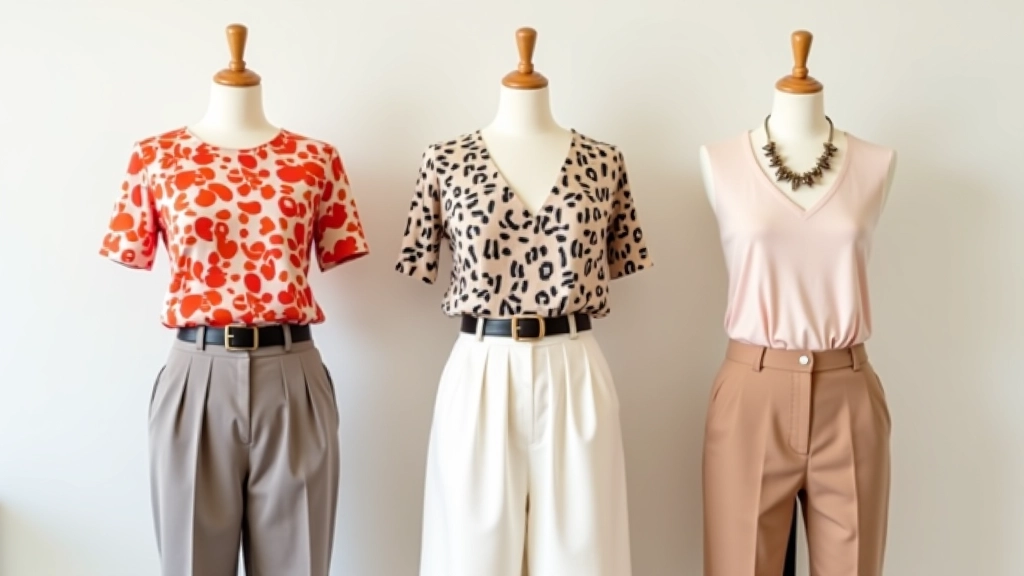
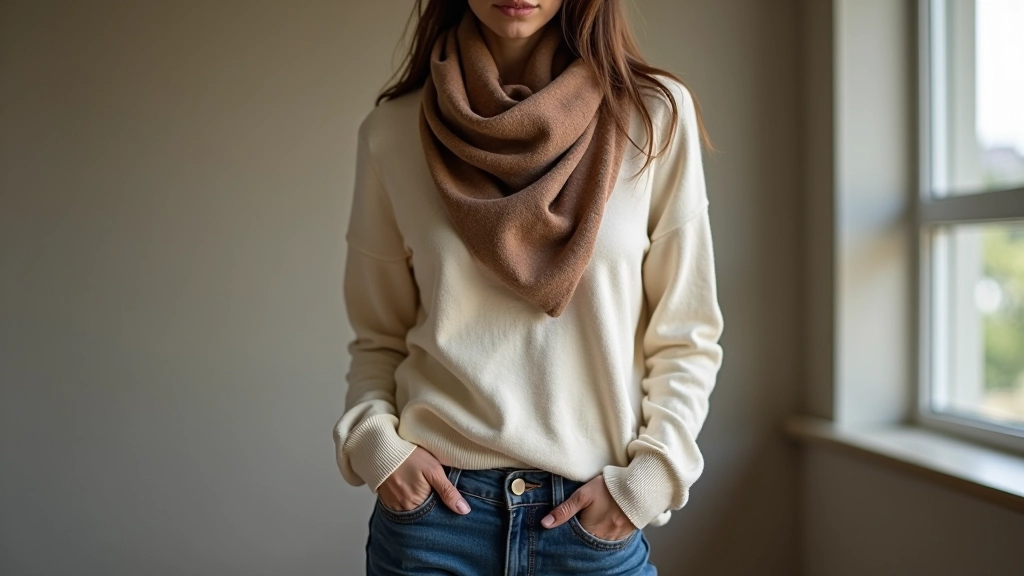
Your eye goes somewhere when you look at an outfit. Ideally, it goes where you want it to go. This is what focal points do. A statement necklace draws attention upward. A belt at your smallest point creates vertical lines. A patterned skirt becomes the story of the outfit. This isn't manipulation—it's intentional design.
The most common mistake? Too many focal points. A bold pattern top plus statement jewelry plus interesting shoes plus patterned socks means there's nowhere to rest. Your eye bounces. Instead, choose one thing to highlight. Keep everything else quiet. A patterned shirt works best with solid trousers and simple shoes. A statement belt deserves plain clothing around it.
Color placement also creates focal points. A bright top draws attention there. A contrasting shoe color brings focus downward. Understanding this means you can guide attention strategically. If you want to emphasize your face, use color and texture there. If you prefer focus on your silhouette, place the visual interest on the garments' shape rather than their surface.
How These Elements Work Together in Real Outfits

Let's talk about a real scenario. You're wearing a structured blazer, fitted trousers, and a simple necklace. The proportion works: cropped jacket, full-length fitted bottoms create balanced lines. The fit is clean: jacket seams align with your shoulders, trousers don't strain or gap. The focal point? That necklace draws attention to your face and neck. The outfit feels intentional because all three elements are working together.
Now imagine the same pieces don't fit properly. The jacket pulls across the shoulders. The trousers bunch at the waist. Suddenly the proportions feel off even though they're the same in theory. Or imagine you add a patterned scarf, a statement ring, patterned shoes, and textured tights. Now there are too many focal points competing. The necklace isn't special anymore.
This is why editorial looks often feel so cohesive. They've been deconstructed and rebuilt with attention to all three elements. You're not copying them directly—that rarely works for real life. But you're learning to think the way stylists think: what's the proportion story here, where are the seams actually hitting, and what's the one thing that matters visually in this outfit?
Translating This Into Your Daily Choices
The real test isn't understanding these concepts theoretically. It's using them when you're actually getting dressed. Start with one outfit and analyze it using these three lenses. Does the proportion feel balanced? Does everything fit correctly on your body? What's the focal point—and is there only one?
You don't need designer pieces to do this well. Fit matters more than brand. A well-fitting affordable sweater will look better than an expensive one that doesn't sit right on your shoulders. Proportion is about how you combine pieces, not the price tag. Focal points are about intention and clarity, which costs nothing.
This is how you move from following looks you see to developing an actual understanding of why they work. You're not memorizing rules. You're learning to see what's actually happening in an outfit and make deliberate choices based on that. That's the difference between copying and truly developing your personal style.
Making These Details Your Foundation
Every outfit you see—whether it's editorial or everyday—can be broken down into these three elements. Proportion, fit, and focal points aren't advanced concepts reserved for professional stylists. They're the fundamental building blocks of intentional dressing. Understanding them means you stop relying on trends or celebrity looks as your blueprint. Instead, you develop the ability to evaluate any outfit, understand why it works, and adapt it for your own life and body.
The details matter because they're what separate an outfit that just exists from one that actually communicates something. Start noticing them. Study how proportions interact. Check where seams actually sit. Identify the focal point. You'll find yourself getting dressed with more confidence and clarity, and that's something no trend cycle can replace.
Editorial Disclaimer
This article provides educational analysis and styling guidance based on fashion principles and design theory. The concepts discussed—proportion, fit, and focal points—are general guidelines for understanding outfit construction. Personal style is individual, and what works depends on your specific body, preferences, lifestyle, and cultural context. This content is informational and meant to develop your critical eye for design. It's not prescriptive advice, and fashion choices should always align with your own comfort and values.